
Memory, Music, and the Shape of a Life
Firefly LaneThis thread traces how songs, objects, stories, and written records turn shared memories into a durable form of connection that can outlast distance and loss.
increasing Bearing strength in each event
 decreasing
Bearing strength in each eventdecreasingSongs Before Friendship
Songs Before Friendship
Music as private company
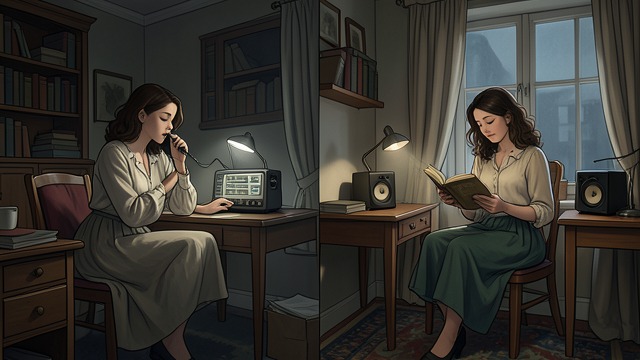
Before Kate Mularkey and Tully Hart meet, music already serves as a way to imagine another life. Tully hums in a quiet house, while Kate finds companionship in books and in the ordinary sounds of home. Their separate habits show how young people use stories and songs to make emotional space when they do not yet have someone who understands them.
A shared soundtrack begins
Once they become friends, particular songs collect the meaning of their experiences: nights outside, parties, separation, and promises about the future. Music becomes a shorthand for feelings too large or embarrassing to explain directly. The songs matter not simply as period detail but as a memory system the two friends can revisit long after the original moment has passed.
Letters Across the Distance
Letters Across the Distance
A friendship maintained on paper
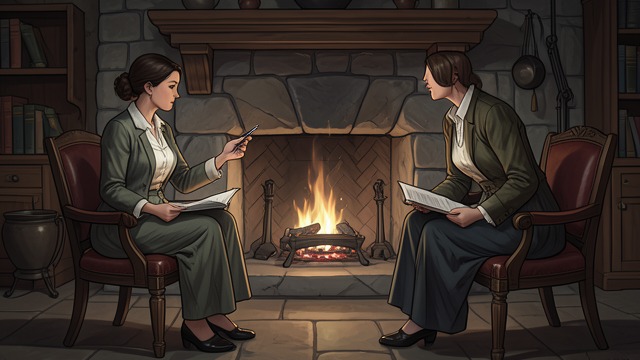
After Tully leaves Snohomish, she and Kate write faithfully to each other. The letters carry daily observations, private worries, and future plans across the distance, preserving a relationship that might otherwise be weakened by separate schools and changing circumstances. Writing lets Tully be more candid than she often can be face to face.
A record of becoming
Their correspondence holds both ordinary details and emotionally important disclosures, making the friendship tangible while they live apart. It also reinforces their shared professional dream, which can encourage them even as it limits how freely Kate imagines a different future. The letters show memory being made in real time, not only recalled later.
A Necklace Kept for Decades
A Necklace Kept for Decades
A child’s gift
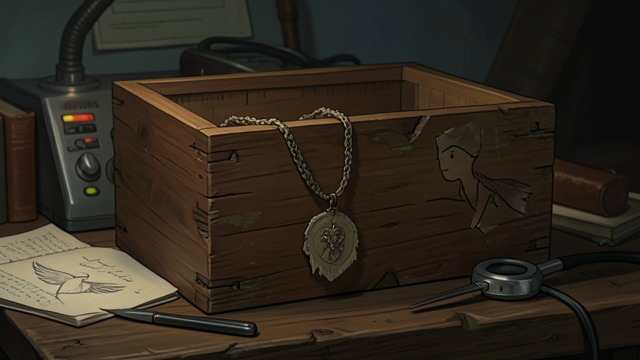
As a little girl, Tully makes Dorothy Hart a simple macaroni necklace and gives it to her on her mother’s birthday. Dorothy accepts it without the loving response Tully hopes for, leaving the gift attached to a memory of rejection. For Tully, it becomes one more object associated with the conviction that she has failed to make her mother stay.
Evidence of an unspoken bond
Years later, Tully finds the frayed necklace among Dorothy’s belongings after Cloud is hospitalized. Its survival does not erase years of abandonment or prove that Dorothy could provide reliable care. It does, however, complicate Tully’s account of their relationship: beneath the damage, her mother kept something the child had offered her, suggesting a connection that was real even when it could not become the relationship Tully needed.
The Journal as a Gift Forward
The Journal as a Gift Forward
A life gathered into pages
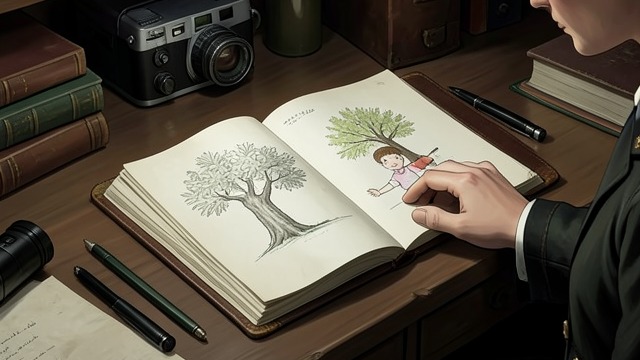
Tully gives Kate Ryan a leather-bound journal after learning that Kate’s illness is terminal. The blank book offers no cure and cannot restore their lost time, but it gives Kate a place to tell her children who she has been. Writing becomes a way to transform experience into an inheritance that can survive the limits of memory.
A story shared by two friends
Kate’s account starts with her own childhood and arrives at the moment Tully enters her life. Because so many decisive memories belong to both women, the journal quietly makes their friendship part of Kate’s family legacy. Its pages let the children encounter not only their mother’s illness but also her humor, uncertainties, choices, and enduring love.
The Box at the Funeral
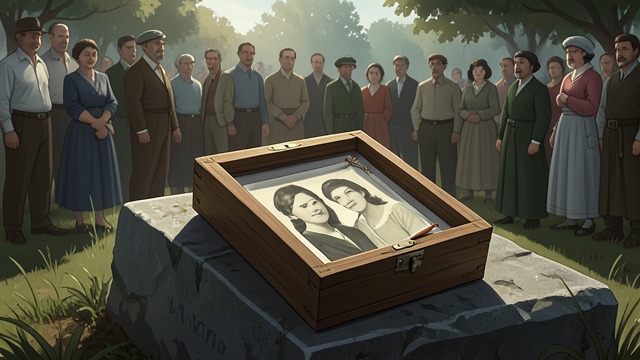
The Box at the Funeral
A message made in advance
Kate leaves Tully a box to be delivered at her funeral, anticipating that her friend may be unable to remain inside the service. The letter inside speaks in their familiar language, acknowledging their hurts while asking Tully to care for Johnny and the children. Its personal instructions make the farewell feel less like a public ceremony and more like one last conversation between friends.
Objects that keep memory alive
The box also contains a cigarette, a David Cassidy photograph, and music to dance to—small objects linked to their shared youth. Each gives Tully a way to move from grief back into a memory that still belongs to both of them. The final dance does not deny death; it shows how love can continue as an embodied memory, carried in gestures and familiar songs.
1974, before Kate and Tully become friends
1974–1977, after Tully leaves Snohomish
1970 to the early 2000s, revealed during Cloud’s hospitalization
2006, after Tully returns to Kate’s side
October 2006, during Kate’s funeral
